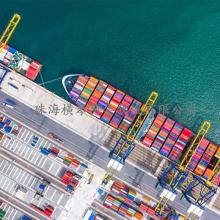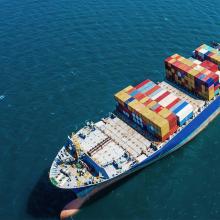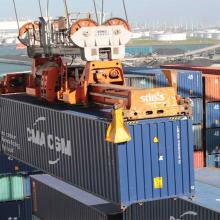
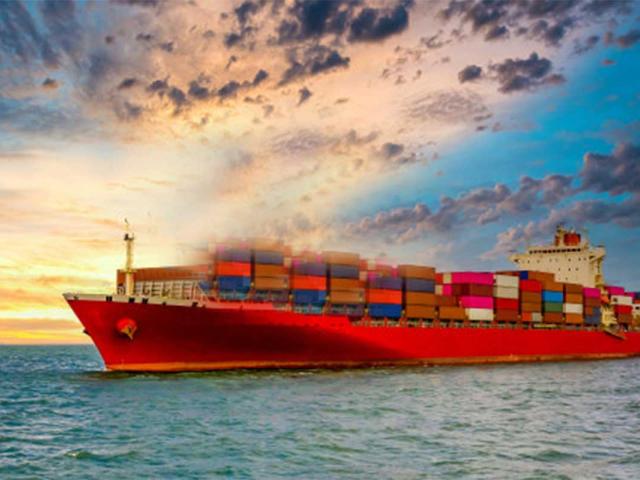
International sea freight import refers to purchasing goods abroad, packing them into shipping containers, and transporting them to the home country via sea freight. It can be divided into Full Container Load (FCL) import and Less than Container Load (LCL) import.
The advantage of FCL sea freight import is that the goods can be transported to the destination intact, avoiding potential losses and damage that may occur during the transportation of bulk cargo. It offers high safety and transport efficiency. LCL import, on the other hand, allows for small-batch imports and flexible operations.
How to handle international sea freight imports specifically depends on the trade terms agreed upon between the buyer and seller. The most common terms include FOB, CIF, DDU, DDP, etc.
The basic process for international sea freight import operations is as follows:
I. Initial Plan
First, you can contact us. Our company will provide a preliminary import plan based on the status of the goods.
II. Confirm the Plan
Confirming the logistics plan is a key step in FCL sea freight import. It includes selecting the transport route and determining the freight costs. A suitable transport plan should be chosen based on factors such as the type, quantity, dimensions, number of pieces, and insurance requirements of the goods.
III. Booking Operation
Based on the goods information and client requirements, our company books space with the shipping line, provides the Shipping Order (SO) to the client, who then sends it to the foreign seller to arrange loading.
IV. Document Preparation
After the international sea freight shipment has been loaded and set sail, a series of import certificates, contracts, commercial invoices, packing lists, and related documents need to be prepared in advance. These documents are required when carrying out international sea freight customs clearance. Depending on the import regulations of different countries and regions, it is necessary to understand and prepare the relevant documentation in advance.
V. Import Customs Clearance
Import customs clearance is a necessary step in international sea freight import. To ensure the smooth progress of the import, the foreign seller needs to send the customs clearance documents (Bill of Lading, contract, invoice, packing list) to the client in advance. The client provides these to our company for compilation and verification. After verification, a customs declaration form is filled out and submitted to the local customs. Upon customs release, duties and other fees are paid.
VI. Arrange Delivery
After customs release and tax payment, you can arrange for the exchange of documents (D/O), lifting of the container, and delivery. Our company arranges the payment and document exchange, and arranges a truck to pick up the container for delivery to the client's factory. After the client unloads the goods, the truck returns the empty container to the terminal, completing the international sea freight import process.
Related Logistics Services
Bofeng Logistics offers the following related services, feel free to inquire: