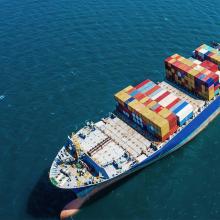
Domestic shipping (inland maritime transport) is an important logistics method in domestic trade, involving the full-process management from the point of origin to the destination, ensuring safe and efficient delivery of goods.
The following is the basic operational process for domestic shipping (inland maritime transport) by our company, Bofeng Logistics, covering each stage from initial preparation to final cargo delivery.
1. Initial Inquiry and Quotation
- Needs Confirmation: The consignee or their agent must first clarify the transport requirements, including the type, volume, weight of the goods, as well as the origin and destination.
- Inquiry and Quotation: Based on the transport needs, the shipper inquires about freight costs, surcharges, etc., and we provide a quotation according to the customer's requirements.
2. Booking and Contract Signing
- Booking Application: After confirmation, submit a formal booking application to us, providing detailed cargo information and transport requirements.
- Agreement Signing: Both parties confirm the transport terms, including costs, responsibilities, insurance, transit time, etc., and then sign the transport contract.
3. Cargo Preparation and Container Loading
- Cargo Packaging: Ensure the goods are properly packaged according to maritime standards, with necessary labels and marks attached.
- Port Collection Transport: We arrange trucks to the shipper's warehouse or factory for container loading, seal the container after loading, and transport it back to the port area.
4. Port Operations
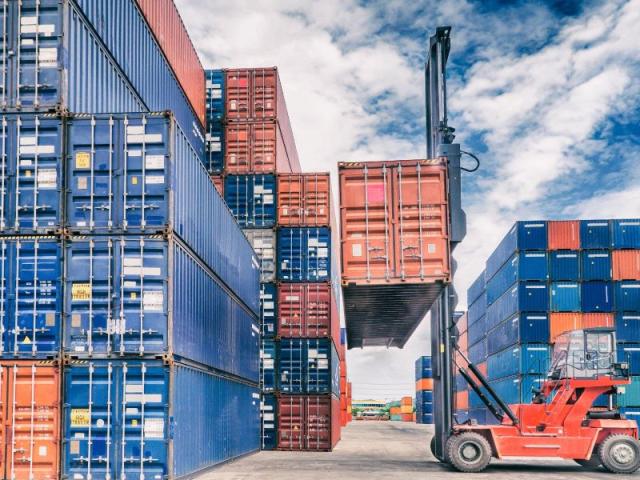
- Full Container Entry: Upon arrival at the port, complete the entry procedures based on provided information and conduct safety inspections.
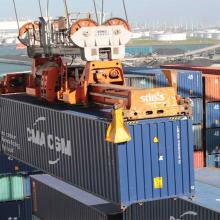
- Loading Operations: The cargo is loaded onto the designated vessel, with stowage and lashing work carried out to ensure navigation safety.
5. Shipment and Tracking
- Departure Declaration: Complete all departure procedures and obtain clearance for sailing.
- Cargo Tracking: Utilize modern information technology, such as GPS tracking, to monitor the cargo shipping status in real-time and promptly provide feedback to customers.
6. Destination Port Operations
- Unloading and Discharge: After the cargo arrives at the destination port, begin the unloading and discharge operations.
- Cargo Pickup: Once discharge is complete, arrange vehicles to transport the cargo from the port to the location designated by the consignee.
7. Final Delivery and Confirmation
- Cargo Delivery: The consignee receives the goods at the designated location and performs a preliminary inspection of quantity and quality.
- Document Handover and Confirmation: The consignee signs the receipt or delivery note, confirming receipt of the goods without issue, and returns relevant documents to the shipper or their agent, completing the entire transport process.
Notes
- Maintaining good communication with us and relevant departments throughout the process is crucial.
- Ensure all documents are complete and accurate to avoid delays caused by documentation issues.
- Maritime transport operations are standardized, but due to numerous handling steps, the shipper is required to purchase insurance.
- Comply with relevant domestic laws and regulations, especially regarding the transport of dangerous goods, where compliance must be strictly observed.
Through the steps above, inland maritime transport operations can proceed in an orderly manner, ensuring smooth and efficient cargo transportation. Meticulous execution at every stage is key to the smooth functioning of the logistics chain.
Related Logistics Services
Bofeng Logistics offers the following related services, feel free to inquire: